
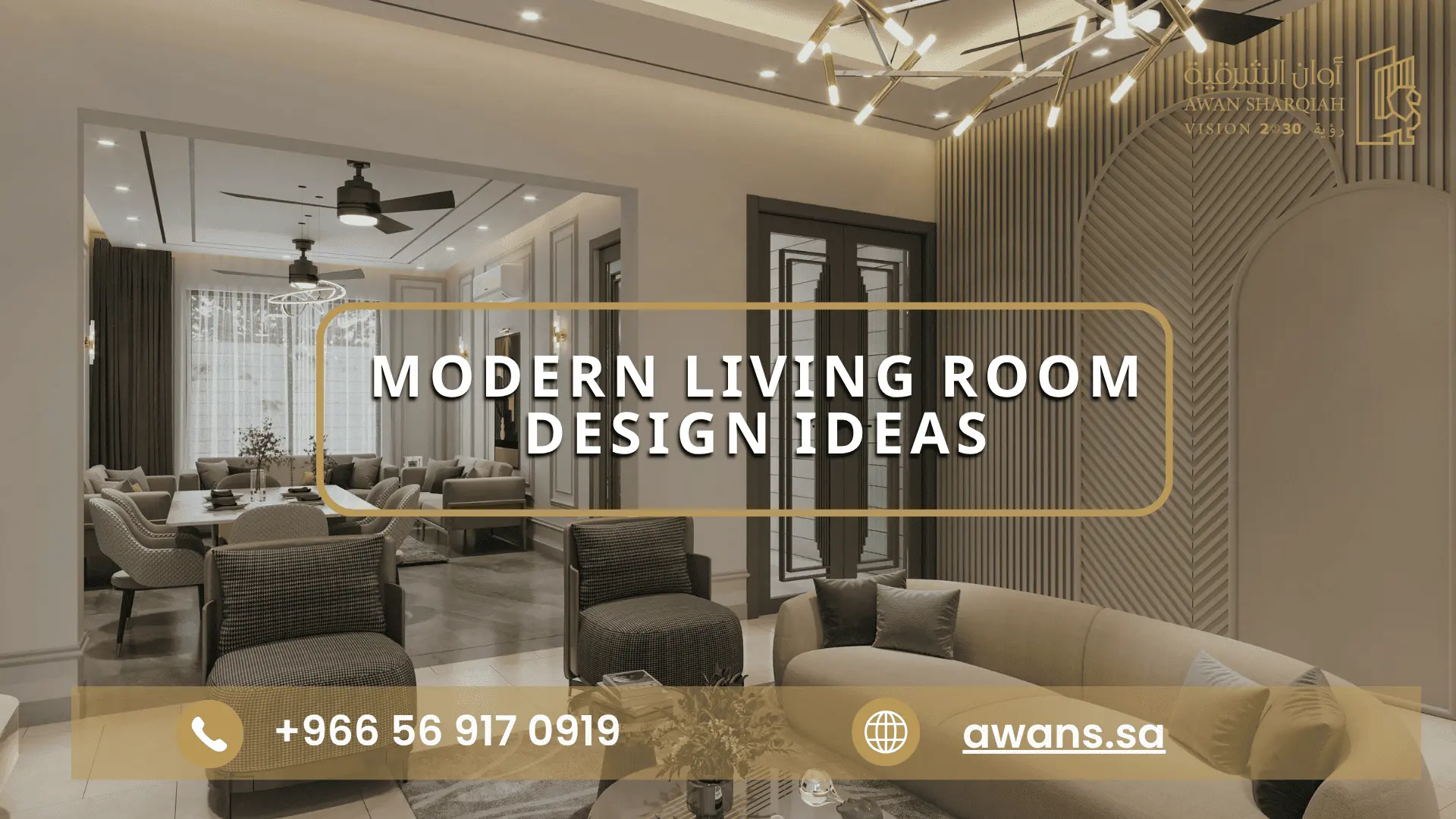
Modern living rooms are no longer defined by plain walls, oversized sofas, or matching furniture sets. Today, the most successful interiors combine comfort, functionality, clean lines, refined materials, and personal details. A well-planned modern living room should feel elegant without being cold, spacious without looking empty, and stylish without sacrificing everyday comfort.
Whether you are furnishing a new home, renovating an apartment, or updating a family lounge, the right design choices can completely transform the atmosphere. Color, lighting, furniture arrangement, wall finishes, storage, flooring, and decorative accessories all work together to create a balanced interior.
This guide explores practical and inspiring Modern Living Room Design Ideas, including modern living room furniture ideas, contemporary living room design ideas, color combinations, lighting techniques, TV wall design, small living room solutions, furniture arrangement, and the use of luxury materials.
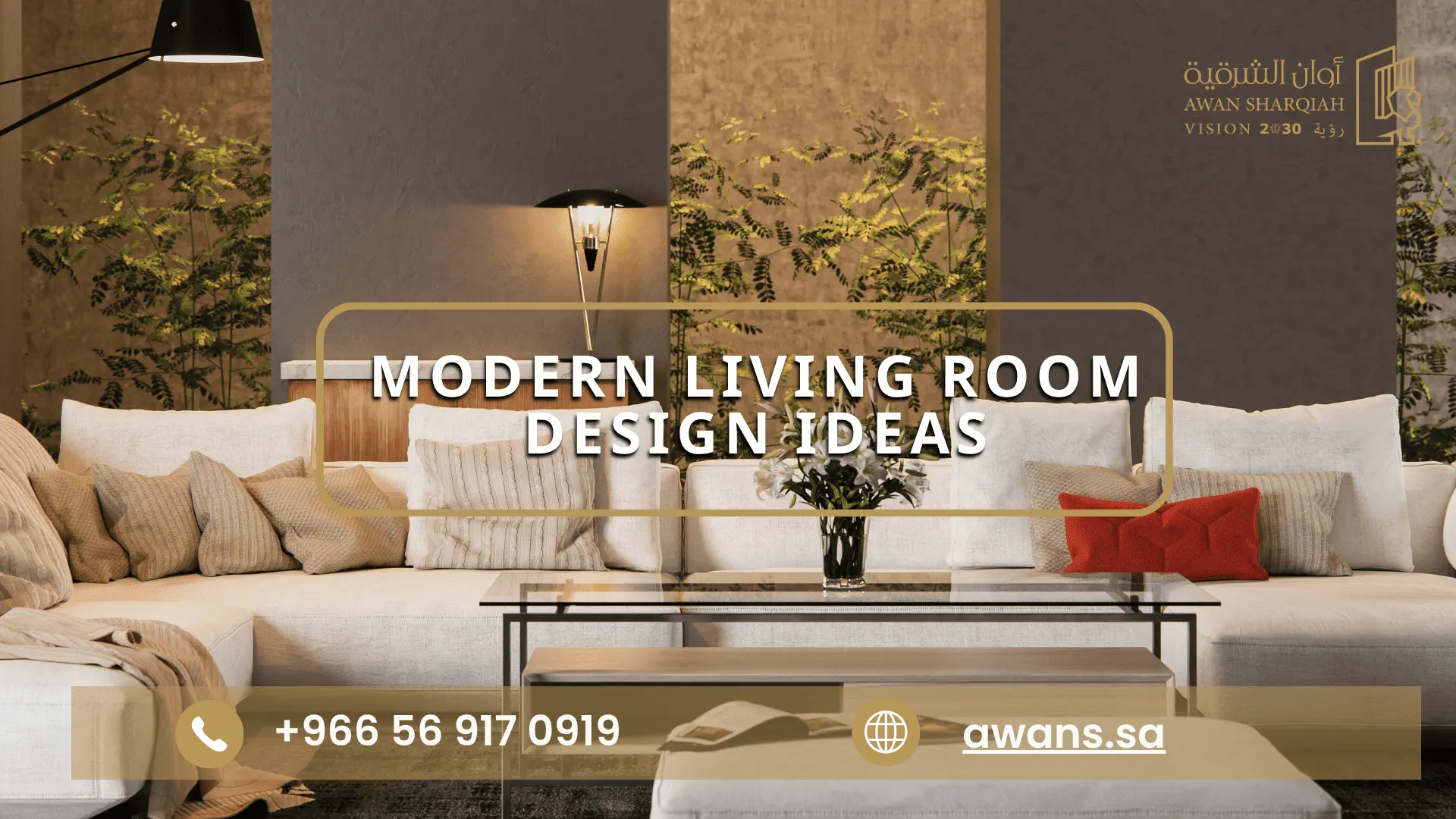
What Defines a Modern Living Room Design Ideas?
A modern living room design is based on simplicity, proportion, functionality, and visual balance. It usually includes streamlined furniture, neutral colors, uncluttered surfaces, and carefully selected decorative elements. However, modern design does not mean that a room must look plain or impersonal.
The goal is to create a space where every item has a purpose. Sofas provide comfort, storage helps maintain order, lighting adds atmosphere, and decorative pieces create character. Instead of filling the room with many accessories, modern interiors focus on a smaller number of high-quality elements.
Common features of a modern living room include:
- Straight or gently curved furniture lines
- Neutral walls with carefully selected accent colors
- Open and practical furniture arrangement
- Integrated storage solutions
- Minimal but expressive decoration
- Layered lighting
- Natural wood, stone, glass, metal, or textured finishes
- A clear focal point, such as a TV wall, fireplace, artwork, or architectural feature
Modern design can be adapted to large villas, compact apartments, open-plan spaces, and family homes. The most important factor is to select ideas that match the room’s size, natural light, architecture, and daily use.
Choose a Clear Design Direction
Before buying furniture or choosing paint, decide what type of modern style you want. A clear direction makes the room more cohesive and prevents random purchases.
A warm modern living room may combine beige walls, oak wood, soft fabrics, and warm lighting. A minimalist modern room may use white, gray, black, and simple geometric furniture. A luxurious contemporary room may include marble, fluted wood panels, metallic accents, velvet upholstery, and statement lighting.
Some popular directions include:
Warm Modern Style
Warm modern interiors are welcoming and comfortable. They often feature:
- Cream, beige, taupe, or warm gray walls
- Natural wood furniture
- Soft rugs and textured cushions
- Matte black or bronze accents
- Warm white lighting
- Rounded sofas and organic shapes
This style is suitable for families because it feels elegant but relaxed.
Minimalist Modern Style
Minimalist rooms focus on visual clarity. They use fewer pieces, simple silhouettes, and well-organized storage. White, light gray, charcoal, and natural wood are common choices.
Minimalism does not mean removing everything from the room. It means choosing carefully and keeping unnecessary visual distractions out of sight.
Contemporary Luxury Style
Contemporary living room design ideas often include a combination of luxury materials and modern geometry. Popular features include:
- Large-format marble or porcelain surfaces
- Fluted wall panels
- Custom joinery
- Glass and metal details
- Sculptural lighting
- Neutral upholstery
- Statement coffee tables
- Floor-to-ceiling curtains
The key to successful luxury design is restraint. Too many expensive materials can make the room feel busy. Use one or two strong materials as focal points and keep the remaining finishes understated.
Japandi-Inspired Modern Style
Japandi combines Japanese simplicity with Scandinavian warmth. It often uses:
- Light wood
- Low-profile furniture
- Soft beige and off-white shades
- Handmade ceramics
- Natural fabrics
- Simple black accents
- Plenty of open space
This approach is particularly effective when you want a calm and uncluttered living room.
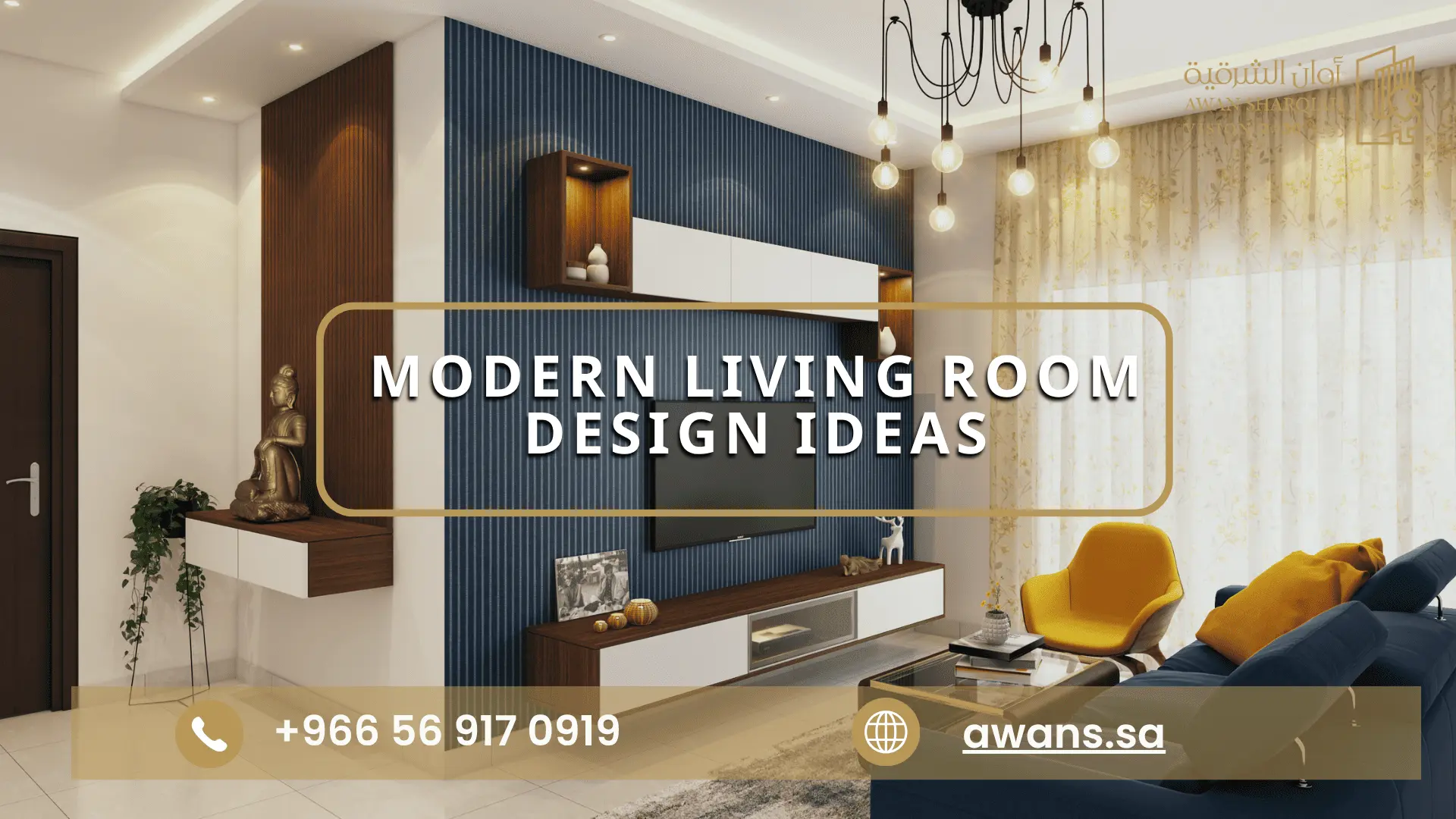
Modern Living Room Color Ideas
Color is one of the fastest ways to change the mood of a living room. Modern living room color ideas usually begin with a neutral base and add contrast through furniture, artwork, textiles, or one accent wall.
Neutral Beige and Cream
Beige and cream create a soft, welcoming environment. They work well with wood, brass, bronze, black, and natural stone. To prevent the room from looking flat, combine several textures such as linen, boucle, wood grain, wool, and stone.
Gray and Charcoal
Gray is a flexible modern color that can look cool, sophisticated, or warm depending on its undertone. Light gray walls work well in small rooms, while charcoal can be used on a TV wall or architectural feature.
Combine gray with:
- Light oak
- White
- Black
- Deep green
- Rust
- Warm metallic finishes
White with Natural Wood
White walls create brightness and make a room feel larger. Natural wood introduces warmth and prevents the interior from feeling sterile. This combination works especially well in rooms with large windows and good daylight.
Earthy Green
Olive, sage, and muted green tones bring a natural feeling into modern interiors. They pair beautifully with beige upholstery, walnut furniture, cream curtains, and brushed brass.
Deep Blue
Navy and dark blue can add drama and sophistication. Use them on one feature wall, in an accent chair, or through cushions and artwork. Deep blue works well with light wood, white marble, silver, and warm lighting.
Terracotta and Rust
Terracotta, rust, and clay tones add warmth and personality. They can be used in small amounts through cushions, rugs, ceramics, or artwork. These tones are especially attractive when paired with cream walls and natural wood.
When choosing a palette, use the 60-30-10 approach. Approximately 60 percent of the room can be the primary color, 30 percent a secondary color, and 10 percent an accent shade. This creates balance without making the room look overly coordinated.
Modern Living Room Furniture Ideas
Furniture should fit the room, support the way you live, and leave enough space for movement. One of the most common mistakes in living room design is buying furniture based only on appearance without considering scale.
A large sectional sofa may look impressive in a showroom but overwhelm a small room. Similarly, a small sofa may appear lost in a large open-plan space.
Useful modern living room furniture ideas include:
- A low-profile modular sofa
- A curved sofa for softer visual movement
- Two accent chairs facing the sofa
- A nesting coffee table set
- A slim console behind the sofa
- A floating media cabinet
- An upholstered ottoman with hidden storage
- A sculptural side table
- A built-in wall unit
- A bench near a window
Choose one main seating piece and build the rest of the arrangement around it. The sofa is usually the largest object in the room, so it should determine the scale and style of the other furniture.
Upholstery also makes a significant difference. Linen and cotton create a relaxed atmosphere, velvet adds luxury, leather offers durability, and textured performance fabrics are practical for busy households. If children or pets use the room frequently, choose stain-resistant fabrics and removable covers where possible.
Furniture Arrangement for Better Flow
Furniture arrangement determines whether a living room feels comfortable or crowded. A beautiful room can still be unsuccessful if people must walk through the conversation area or move around furniture awkwardly.
Begin by identifying the room’s focal point. It could be:
- A TV wall
- A fireplace
- A large window
- A piece of artwork
- An architectural wall
- A view outside the home
Place the main seating so it faces or relates to the focal point. In a conversation-focused room, sofas and chairs should face one another instead of pointing toward the television only.
Maintain clear walking paths between entrances, windows, and other rooms. As a general design principle, furniture should not block doors, drawers, or major circulation routes.
A large living room may be divided into multiple zones:
- Main seating and conversation area
- Reading corner
- Media zone
- Small work area
- Display or decorative zone
Use rugs to define each area. A rug should be large enough for at least the front legs of the main seating pieces to sit on it. A rug that is too small can make the furniture appear disconnected.
For narrow living rooms, place the sofa along the longest wall and use slim chairs or stools opposite it. Glass coffee tables, wall-mounted storage, and lighter furniture can help preserve an open appearance.
Lighting Ideas for a Modern Living Room
Lighting is essential in modern interior design because it influences both function and mood. A single ceiling fixture is rarely enough for a well-designed living room. Instead, use layers of lighting.
Ambient Lighting
Ambient lighting provides general illumination. It may come from:
- Recessed ceiling lights
- A central pendant
- Track lighting
- Cove lighting
- LED strips integrated into the ceiling
The light should be evenly distributed without creating harsh shadows.
Task Lighting
Task lighting supports specific activities such as reading, working, or using a laptop. Floor lamps beside a chair and adjustable table lamps are practical options.
Accent Lighting
Accent lighting highlights architectural features, artwork, shelves, plants, or a textured TV wall. LED strips behind panels or under shelves can create a soft glow.
Decorative Lighting
Decorative fixtures can act as visual sculptures. A large pendant, modern chandelier, or artistic floor lamp can become a focal point in the room.
Warm white bulbs generally create a more comfortable residential atmosphere. Use dimmers whenever possible so the brightness can be adjusted throughout the day. Layered lighting allows the same room to feel bright in the morning, comfortable in the afternoon, and intimate in the evening.
Natural light should also be considered. Use sheer curtains to maintain daylight while adding heavier curtains for privacy and light control. Full-height curtains can make the ceiling appear taller and give the room a more finished appearance.
TV Wall Design Ideas
The TV wall is often one of the most visible areas in a living room. A successful TV wall design should combine technology, storage, lighting, and attractive materials.
One popular approach is a floating media unit beneath the television. This creates a clean appearance and makes the floor look more spacious. Cable management should be planned before installation so wires remain hidden.
Modern TV wall options include:
- Wood slat panels
- Marble-look porcelain slabs
- Microcement finishes
- Painted accent walls
- Fluted MDF panels
- Stone veneer
- Backlit shelving
- Built-in cabinetry
- Matte textured wall panels
A combination of materials often produces a more refined result. For example, a central stone-look panel can be framed by warm wood or fluted panels. Another option is to use a dark wall with subtle lighting behind the television.
Avoid overcrowding the TV wall with too many shelves and accessories. The screen should remain the main focus. If storage is needed, use closed cabinets for electronic devices, books, and everyday items. Open shelves can display a few carefully selected objects.
The television should be positioned at a comfortable viewing height. It should not be so high that viewers must tilt their heads upward. Consider viewing distance, seating height, sunlight reflection, and access to electrical outlets before finalizing the layout.
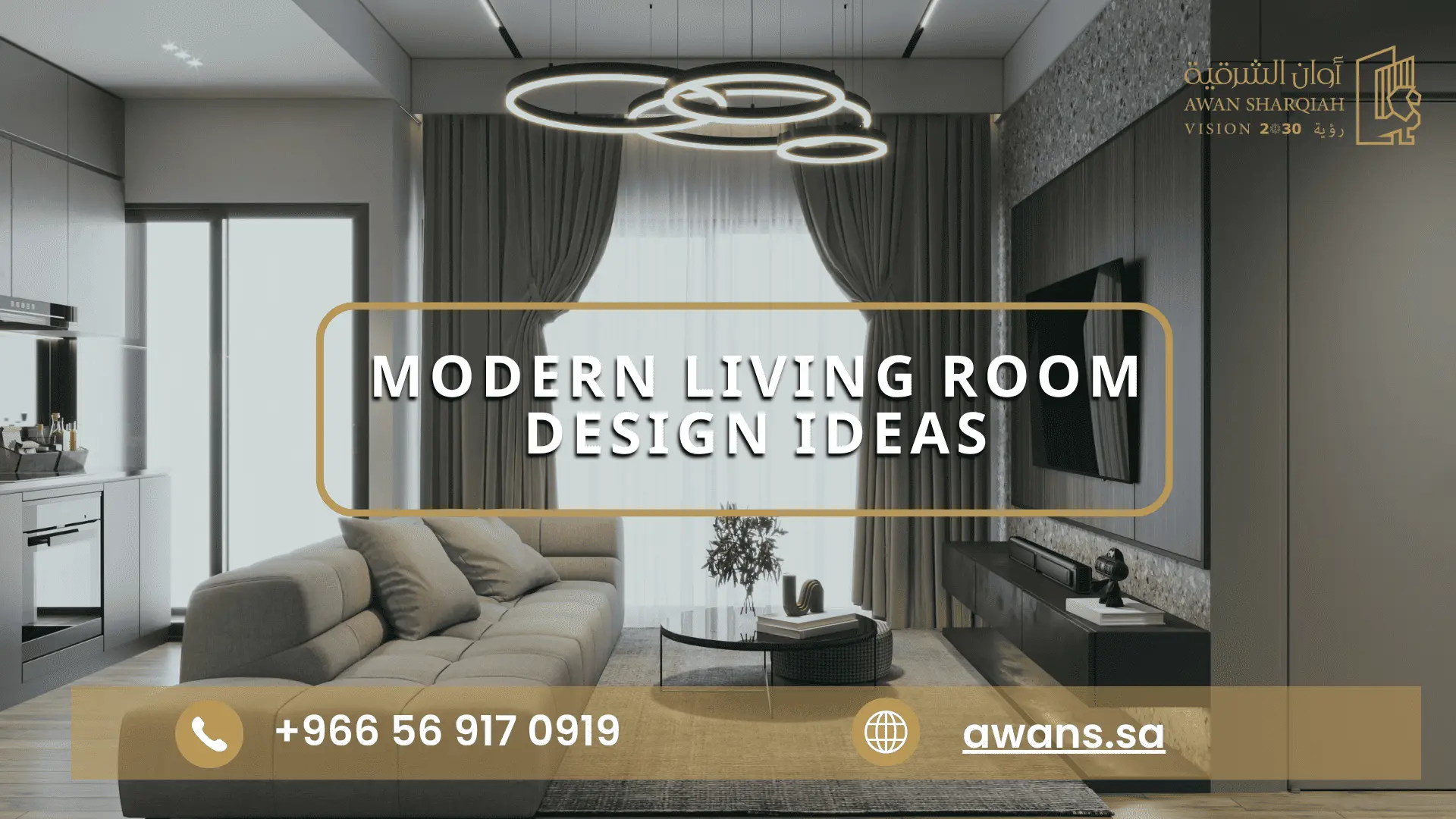
Small Living Room Solutions
Small living rooms require careful planning because every centimeter matters. The best Modern Living Room Design Ideas for compact spaces focus on selecting practical furniture, maximizing storage, and preserving visual openness. The objective is not to place miniature versions of large-room furniture in the space. Instead, select pieces that provide multiple functions, support easy movement, and make the room feel comfortable and spacious.
Effective small living room solutions include:
- Wall-mounted TV units
- Sofas with storage
- Extendable or nesting coffee tables
- Foldable side tables
- Armless accent chairs
- Wall-mounted shelves
- Built-in cabinets
- Mirrors placed opposite windows
- Light-colored walls
- Furniture with visible legs
- Sliding doors instead of hinged doors
Choose a sofa with a compact depth rather than simply choosing the shortest sofa. A shallow sofa can preserve walking space while still providing comfortable seating.
Use vertical space for storage. Tall cabinets draw the eye upward and make better use of the wall area. Keep the floor as clear as possible, especially near entrances and pathways.
Mirrors can reflect light and make a small room feel more open. A large mirror with a simple frame can serve both a decorative and functional purpose. However, avoid placing mirrors where they reflect clutter or an unattractive wall.
A monochromatic color scheme can also make the room appear larger. Use different shades of the same color with varied textures to maintain visual interest.
Luxury Materials for a Modern Living Room
Luxury materials do not always have to be expensive. The most important factor is how they are selected, combined, and installed.
Natural Stone
Marble, travertine, limestone, and granite can be used for coffee tables, flooring, wall accents, fireplaces, or TV backgrounds. Natural stone creates variation because every slab has a unique pattern.
Porcelain Slabs
Large porcelain slabs can imitate marble, concrete, wood, or stone while offering durability and relatively easy maintenance. They are suitable for feature walls, flooring, and media units.
Natural Wood
Oak, walnut, ash, and veneer panels add warmth and depth. Wood can be used for wall cladding, shelving, cabinetry, doors, and furniture.
Fluted Panels
Fluted and ribbed surfaces create shadows and texture. They are effective behind televisions, on partitions, or as decorative wall treatments.
Glass
Clear, tinted, fluted, or reeded glass can make a room appear lighter. Glass is useful for display cabinets, partitions, coffee tables, and doors.
Metal
Black metal creates a contemporary industrial effect, while brass and bronze provide a warmer luxury appearance. Use metal in lighting, furniture legs, handles, frames, and decorative accessories.
Textiles
Curtains, rugs, cushions, and upholstery bring softness into a room filled with hard surfaces. Layering different fabrics prevents the design from feeling too rigid.
When using several luxury materials, maintain a consistent color relationship. For example, warm wood, beige stone, and bronze metal create a cohesive palette. Cool marble, gray upholstery, and black metal create a sharper and more contemporary look.
Modern Wall Decor Ideas
Wall decor adds personality without compromising the clean look of a modern interior. Instead of covering every wall, select one or two areas for visual emphasis.
Ideas include:
- One large abstract painting
- A gallery wall with consistent frames
- Sculptural wall panels
- Oversized mirrors
- Floating shelves
- Architectural lighting
- Textured plaster
- Decorative niches
- Large-scale photography
- Handmade ceramic wall pieces
Artwork should relate to the room’s color scheme without matching every item exactly. A neutral room can benefit from one colorful painting, while a colorful room may need calm, monochromatic artwork.
Wall panels are useful when you want to add depth without introducing many decorative objects. Vertical wood slats can make a ceiling appear taller, while horizontal lines can visually widen a narrow wall.
Flooring and Ceiling Choices
Flooring has a strong effect on the perceived size and character of a living room. Large-format tiles create fewer visual interruptions and can make the floor look more continuous. Wood flooring adds warmth and suits both minimalist and luxury interiors.
A large rug can define the seating area and improve acoustics. Choose a rug that complements the flooring rather than competing with it.
Ceilings should not be overlooked. Modern ceiling design ideas include:
- Recessed lighting
- Cove lighting
- Wooden ceiling details
- Simple gypsum board profiles
- Linear air-conditioning grilles
- Subtle architectural drops
- Decorative pendant installations
The ceiling design should support the room rather than become unnecessarily complicated. In a small living room, a simple ceiling with concealed lighting may be more effective than multiple decorative levels.
Open-Plan Modern Living Rooms
Open-plan living rooms connect the seating area with the dining room, kitchen, or entryway. This arrangement can make a home feel larger, but it requires visual coordination.
Use repeated materials and colors across the connected spaces. For example, the same flooring can continue from the living room into the dining area, while wood tones can be repeated in cabinetry and furniture.
Furniture can define zones without building walls. A sofa placed with its back toward the dining area can create a natural separation. A console table behind the sofa can strengthen this division.
Lighting is also useful for zoning. Use a pendant above the dining table, recessed lights over the circulation areas, and floor or wall lighting in the living room. This allows each zone to have its own atmosphere while remaining part of one design.
Adding Plants and Natural Elements
Plants soften the straight lines of modern interiors and introduce color, texture, and life. Large plants can fill empty corners, while smaller plants work well on shelves or side tables.
Suitable choices depend on natural light and maintenance preferences. Use simple pots in ceramic, stone, concrete, or woven materials to complement the room.
Other natural elements include:
- Wooden bowls
- Stone sculptures
- Woven baskets
- Linen curtains
- Rattan accents
- Dried branches
- Handmade ceramics
Natural elements are particularly effective in neutral living rooms because they add warmth without creating visual clutter.
Common Modern Living Room Design Mistakes
Even attractive design concepts can fail when practical details are ignored.
One common mistake is choosing furniture that is too large. Always measure the room, doors, elevators, and stairways before purchasing large items.
Another mistake is relying on one light source. A central ceiling light may illuminate the room but will not provide the atmosphere or flexibility of layered lighting.
Many homeowners also place all furniture against the walls. This may leave an empty center while making conversation difficult. In larger rooms, bringing the sofa slightly away from the wall can create a more balanced arrangement.
Using too many materials is another issue. A room with marble, wood, metal, glass, patterned wallpaper, bold colors, and multiple textures can feel chaotic. Choose a primary material, a secondary material, and one or two supporting finishes.
Finally, avoid designing only for photographs. A living room must be comfortable, easy to clean, and suitable for daily life. Make sure there is enough storage, comfortable seating, accessible lighting, and practical space for movement.
How Professional Planning Improves the Result
A successful living room renovation involves more than selecting colors and furniture. Electrical points, lighting positions, air-conditioning outlets, wall treatments, flooring levels, and built-in storage should be coordinated before work begins.
Professional planning can help prevent problems such as visible wires, poorly positioned sockets, uneven finishes, insufficient lighting, or furniture that does not fit the final layout.
For broader construction, renovation, and interior-related requirements, you can contact Awan Sharqiah General Contracting Company for professional assistance. The company can be reached at +966569170919.
It is especially important to coordinate the interior concept with the building’s technical systems. A beautiful TV wall, for example, should be planned alongside electrical connections, ventilation, internet points, and lighting controls.
A Practical Design Process
A structured process makes it easier to achieve a cohesive modern living room.
Measure the Space
Record the room’s length, width, ceiling height, windows, doors, columns, outlets, and air-conditioning units.
Create a Functional Layout
Decide where the sofa, chairs, TV, coffee table, storage, and walking paths will be located.
Select the Color Palette
Choose a primary wall color, a secondary furniture color, and one or two accent colors.
Choose the Main Furniture
Start with the sofa, then select chairs, tables, storage, and rugs that match its scale.
Plan Lighting and Electrical Points
Position ceiling lights, wall lights, floor lamps, switches, television outlets, and charging points before final finishes are installed.
Select Wall and Floor Finishes
Choose materials that suit the design style, maintenance needs, and household lifestyle.
Add Textures and Accessories
Complete the space with curtains, cushions, artwork, plants, books, and decorative objects.
Review the Room as a Whole
Remove items that do not support the design. Modern rooms usually benefit from editing and simplicity.
FAQ Modern Living Room Design Ideas:
What are the best colors for a modern living room?
Beige, cream, white, gray, taupe, olive green, navy, and charcoal are popular modern choices. The best color depends on the amount of daylight, room size, flooring, and furniture style.
How can I make a small living room look bigger?
Use light colors, furniture with visible legs, wall-mounted storage, mirrors, layered lighting, and a carefully sized rug. Keep pathways clear and avoid oversized furniture.
What is the best furniture arrangement for a living room?
Place the main seating around a clear focal point while leaving comfortable walking paths. In larger rooms, create separate zones for conversation, media, reading, or work.
How many light sources should a modern living room have?
A well-designed room usually combines ambient, task, accent, and decorative lighting. The exact number depends on the room’s size and activities.
How can I make a TV wall look modern?
Use a floating media console, concealed cables, simple wall finishes, integrated lighting, and one strong material such as wood, porcelain, stone, or textured panels.
What materials create a luxury living room?
Natural stone, porcelain slabs, walnut wood, fluted panels, glass, bronze, brass, high-quality upholstery, and layered textiles can all create a luxury appearance when used in balance.
Can modern design be comfortable?
Yes. Comfort comes from choosing supportive seating, soft textiles, suitable lighting, practical layouts, and enough storage. Modern design is not limited to hard or minimalist furniture.
Should all furniture match?
Furniture does not need to come from one collection. A coordinated combination of shapes, colors, materials, and proportions usually looks more sophisticated than a completely matching set.
Final Thoughts about Modern Living Room Design Ideas
The best modern living room design combines visual simplicity with practical comfort. Start with a clear layout, choose a balanced color palette, invest in furniture that fits the room, and use lighting to create different moods. Add personality through artwork, plants, textiles, and carefully selected luxury materials.
Whether you prefer a warm neutral interior, a minimalist space, or a contemporary luxury room, the design should reflect the way you live. With careful planning and professional coordination, your living room can become an elegant, comfortable, and functional part of your home.
