
Choosing the right plumbing pipes is a critical decision in any residential construction project. Although plumbing systems are usually hidden after finishing work, they play a major role in the comfort, safety, and long-term performance of a building.
A properly designed plumbing system ensures efficient water distribution, prevents leaks, reduces maintenance problems, and supports the daily needs of homeowners. On the other hand, selecting unsuitable pipe materials can lead to issues such as corrosion, water pressure problems, frequent repairs, and unexpected costs.
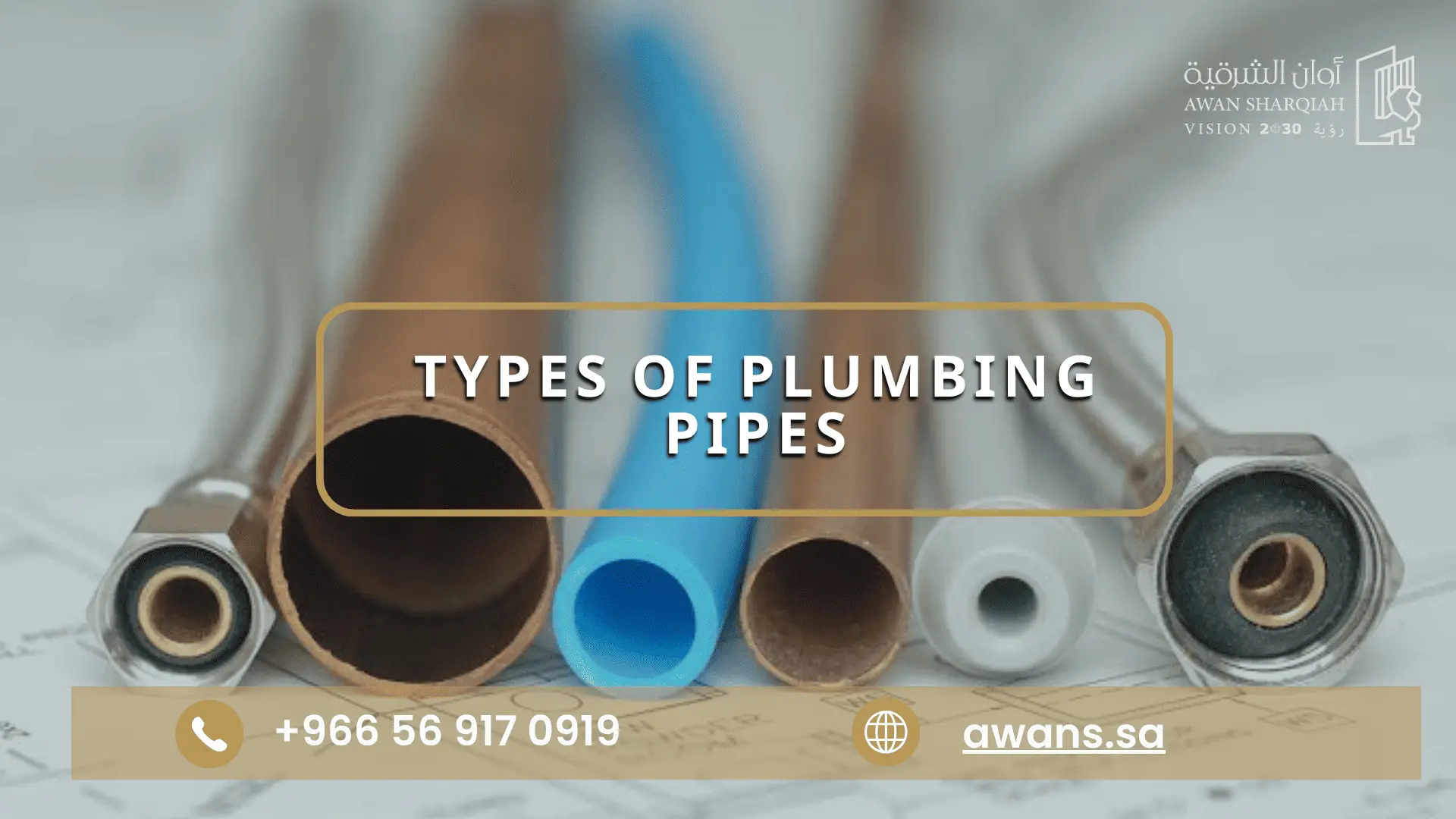
There are many Types of Plumbing Pipes available today, and each type has specific characteristics that make it suitable for different applications. Factors such as water temperature, pressure requirements, installation location, building type, and budget all influence the choice of the right pipe material.
For professional construction solutions and reliable building execution, working with an experienced contractor such as Awan Sharqiah General Contracting Company helps ensure that plumbing systems are properly planned and integrated within the overall construction process.
Why Choosing the Right Plumbing Pipes Matters
The plumbing system is one of the most important parts of any home. A building may have excellent architectural design and high-quality finishes, but poor plumbing choices can create serious problems over time.
Selecting suitable Plumbing Pipe Materials helps achieve several benefits:
Improved System Durability
High-quality pipes are designed to handle continuous water flow, pressure changes, and environmental conditions. Durable materials reduce the need for frequent replacements and repairs.
Better Water Safety
The right pipe materials help maintain water quality by reducing the risk of corrosion, contamination, and chemical reactions.
Lower Maintenance Requirements
A properly installed plumbing system requires fewer repairs, helping homeowners avoid unnecessary maintenance expenses.
Efficient Water Distribution
Choosing suitable Water Supply Pipes for Homes ensures consistent water pressure and reliable performance throughout the property.
Better Construction Results
During new home construction, selecting the correct pipes at an early stage helps create a reliable infrastructure that supports the building for many years.
Plumbing System Basics: How Residential Plumbing Works
Before understanding the different pipe materials, it is important to know the basic structure of a residential plumbing system.
A typical home plumbing system consists of two main networks:
- Water supply system.
- Drainage and wastewater system.
Each network requires specific pipe types designed for different purposes.
Water Supply System
The water supply system is responsible for delivering clean water from the main source to different areas of the building.
It supplies water to:
- Bathrooms.
- Kitchens.
- Laundry areas.
- Water heaters.
- Outdoor areas.
Supply pipes must be selected carefully because they need to withstand water pressure and, in many cases, high temperatures.
Common requirements for water supply pipes include:
- Resistance to pressure.
- Resistance to temperature changes.
- Long service life.
- Safe water contact.
- Easy maintenance.
Drainage System
The drainage system removes wastewater from the building and transfers it safely to the sewage network.
Drainage pipes require different characteristics compared with water supply pipes, including:
- Strong flow capacity.
- Resistance to chemicals.
- Leak prevention.
- Durability against underground conditions.
Using the wrong drainage pipe materials can cause problems such as blockages, unpleasant odors, and water damage.
Main Types of Plumbing Pipes
Modern construction projects use different pipe materials depending on the application and building requirements.
The most common Types of Plumbing Pipes include:
- PVC pipes.
- PPR pipes.
- PEX pipes.
- Copper pipes.
- CPVC pipes.
- HDPE pipes.
- Galvanized steel pipes.
Each material has advantages and limitations, which makes understanding their differences important before selecting the best option for a project.
PVC Pipes (Polyvinyl Chloride Pipes)
PVC pipes are among the most commonly used plumbing materials in residential construction because they are affordable, lightweight, and easy to install.
They are widely used in:
- Drainage systems.
- Wastewater networks.
- Underground piping.
- Some cold water applications.
Advantages of PVC Pipes
PVC pipes offer several benefits:
- Cost-effective compared with many alternatives.
- Lightweight and easy to transport.
- Resistant to rust and corrosion.
- Simple installation process.
- Available in different sizes and applications.
These features make PVC a popular choice for many construction projects.
Limitations of PVC Pipes
Despite their advantages, PVC pipes have some limitations:
- They have limited resistance to high temperatures.
- They may not be suitable for all hot water applications.
- They require proper installation to prevent damage.
For this reason, PVC pipes should be selected based on their intended use rather than cost alone.
PPR Pipes (Polypropylene Random Copolymer Pipes)
PPR pipes are widely used in modern residential buildings because they are suitable for both hot and cold water systems.
They are commonly installed in:
- Home water supply systems.
- Residential buildings.
- Commercial properties.
- Heating applications.
Advantages of PPR Pipes
PPR pipes provide several important benefits:
- High resistance to heat.
- Excellent durability.
- Resistance to corrosion.
- Smooth internal surface for efficient water flow.
- Long service life.
Because of these characteristics, PPR is often considered one of the Best Pipes for Home Construction when a reliable water supply system is required.
Applications of PPR Pipes
PPR pipes are suitable for:
- Drinking water systems.
- Hot water distribution.
- Cold water networks.
- Internal plumbing installations.
Their flexibility and performance make them a preferred choice in many modern homes.
PEX Pipes (Cross-Linked Polyethylene Pipes)
PEX pipes are among the modern solutions used in residential plumbing systems due to their flexibility, durability, and ease of installation. They have become increasingly popular in many construction projects because they can handle both hot and cold water applications.
PEX pipes are commonly used for:
- Residential water supply systems.
- Hot water distribution.
- Bathroom plumbing.
- Kitchen water connections.
- Heating systems.
Advantages of PEX Pipes
PEX offers several benefits that make it a practical choice for modern homes:
- High flexibility compared with rigid pipe materials.
- Resistance to corrosion and chemical damage.
- Suitable for hot and cold water.
- Requires fewer connections during installation.
- Reduces the possibility of leaks when properly installed.
- Easier installation in complex layouts.
The flexibility of PEX pipes allows installers to route pipes through walls and floors with fewer joints, which can improve installation efficiency.
Limitations of PEX Pipes
Although PEX provides many advantages, some limitations should be considered:
- It is not suitable for outdoor exposure without protection.
- It may not be preferred for certain high-temperature industrial applications.
- Installation requires experienced professionals to ensure proper connections.
Choosing PEX depends on project requirements, local construction practices, and the intended plumbing application.
Copper Pipes
Copper pipes have been used in plumbing systems for many years and are known for their durability and reliability. They are considered a premium plumbing material because of their strength and resistance to high temperatures.
Copper pipes are commonly used for:
- Hot and cold water systems.
- Heating applications.
- Long-term residential plumbing installations.
Advantages of Copper Pipes
Copper provides several important benefits:
- Excellent durability.
- Strong resistance to high temperatures.
- Long service life.
- Natural resistance to bacterial growth.
- Reliable performance under pressure.
Because of these characteristics, copper remains a trusted choice for certain residential and commercial applications.
Limitations of Copper Pipes
However, copper pipes also have some disadvantages:
- Higher cost compared with plastic alternatives.
- More complex installation process.
- Possible corrosion in certain water conditions.
- Requires skilled labor for proper installation.
For many residential projects, contractors compare copper with modern alternatives such as PPR and PEX to determine the most suitable option.
CPVC Pipes (Chlorinated Polyvinyl Chloride Pipes)
CPVC pipes are a modified version of PVC pipes designed to handle higher temperatures. They are commonly used in hot and cold water distribution systems.
Applications include:
- Residential plumbing.
- Hot water supply.
- Commercial buildings.
- Internal water networks.
Benefits of CPVC Pipes
CPVC pipes offer:
- Better temperature resistance than standard PVC.
- Corrosion resistance.
- Lightweight installation.
- Smooth internal surfaces.
- Good durability.
Considerations When Using CPVC
When selecting CPVC, proper installation is essential because incorrect joining methods or unsuitable applications can affect system performance.
HDPE Pipes (High-Density Polyethylene Pipes)
HDPE pipes are known for their strength, flexibility, and resistance to environmental conditions. They are commonly used in underground and external plumbing applications.
Typical uses include:
- Underground water supply.
- External piping networks.
- Large-scale water distribution systems.
Advantages of HDPE Pipes
HDPE pipes provide:
- High impact resistance.
- Long service life.
- Flexibility for underground installation.
- Resistance to corrosion.
- Reduced maintenance requirements.
Because of their durability, HDPE pipes are widely used in infrastructure and large construction projects.
Galvanized Steel Pipes
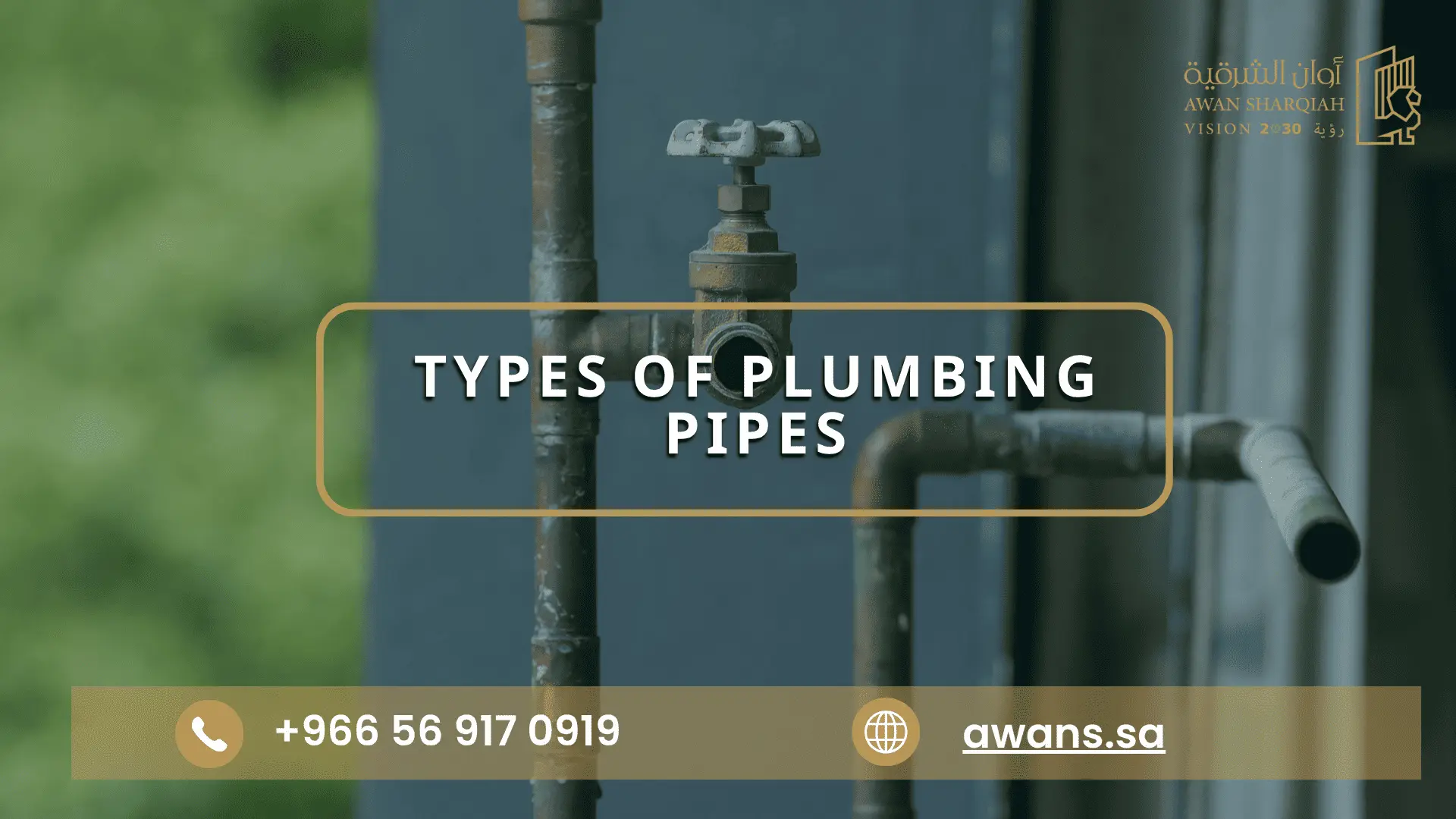
Galvanized steel pipes were commonly used in older plumbing systems. They are made from steel coated with zinc to improve corrosion resistance.
Although they are strong, their use has decreased in modern residential construction due to the availability of more efficient alternatives.
Advantages of Galvanized Steel Pipes
- High mechanical strength.
- Suitable for certain heavy-duty applications.
- Resistant to external damage.
Disadvantages of Galvanized Steel Pipes
- Can develop internal corrosion over time.
- Heavier than plastic alternatives.
- More difficult to install.
- May reduce water flow due to internal buildup.
Modern construction projects usually consider newer materials depending on performance requirements.
Comparing Different Plumbing Pipe Materials
Choosing between different Plumbing Pipe Materials requires understanding how each option performs in different conditions.
PVC vs PPR Pipes
PVC and PPR are both popular options, but they serve different purposes.
PVC:
- Common for drainage systems.
- More affordable.
- Lightweight.
- Suitable for many cold water applications.
PPR:
- Suitable for hot and cold water.
- Better temperature resistance.
- Common in modern water supply systems.
PEX vs PPR Pipes
Both PEX and PPR are widely used for water supply systems.
PEX:
- More flexible.
- Requires fewer connections.
- Easier installation in complex layouts.
PPR:
- Strong and durable.
- Commonly used in residential construction.
- Suitable for long-term water distribution.
The best choice depends on project needs, installation conditions, and local requirements.
Copper vs Plastic Pipes
Copper provides excellent durability and heat resistance, while plastic pipes usually offer easier installation and lower costs.
Copper may be preferred when:
- Long-term durability is a priority.
- High-temperature resistance is required.
Plastic pipes may be preferred when:
- Installation speed is important.
- Cost efficiency is needed.
- Modern residential applications are considered.
How to Choose the Best Pipes for Home Construction
Selecting the right pipes requires evaluating several factors instead of choosing based only on price.
When choosing Water Supply Pipes for Homes, consider:
Water Temperature Requirements
Different pipe materials have different temperature resistance levels.
For example:
- Hot water systems require heat-resistant materials.
- Cold water systems may allow more options.
Water Pressure Levels
The plumbing system must handle the expected pressure without leaks or damage.
High-pressure applications require pipes with suitable strength ratings.
Building Type
The appropriate pipe material may vary depending on the project:
- Residential homes.
- Villas.
- Commercial buildings.
- Industrial facilities.
A professional contractor evaluates the building requirements before selecting materials.
Installation Conditions
The location of the pipes affects the material choice.
Consider:
- Indoor or outdoor installation.
- Underground placement.
- Accessibility for maintenance.
- Environmental conditions.
Maintenance Requirements
Some materials require more maintenance than others. Choosing durable pipes can reduce future repair costs.
Common Plumbing Installation Mistakes to Avoid
Even high-quality pipes can fail if they are installed incorrectly. Proper installation is essential for achieving a reliable plumbing system.
Common mistakes include:
Choosing Pipes Based Only on Price
The cheapest option may lead to higher maintenance costs in the future.
Using the Wrong Pipe Material
Each pipe type has specific applications. Using unsuitable materials can reduce system performance.
Poor Connection Installation
Incorrect joints and fittings are among the most common causes of plumbing leaks.
Ignoring Water Pressure Requirements
Pipes should always be selected according to expected pressure levels.
Skipping Quality Inspection
Checking installation quality before finishing work helps identify problems early.
The Role of Professional Contractors in Plumbing Installation
Professional installation plays an important role in the performance of any plumbing system.
Experienced contractors help with:
- Selecting suitable materials.
- Planning pipe routes.
- Installing connections correctly.
- Testing the system before completion.
- Ensuring compliance with construction standards.
For complete construction solutions, Awan Sharqiah General Contracting Company provides professional building services and supports clients with reliable construction execution from planning to completion.
Plumbing Checklist Before Finishing a New Home
Before completing interior finishing works, it is important to inspect the plumbing system carefully. Once walls, floors, and ceilings are finished, repairing hidden plumbing issues can become more difficult and expensive.
A proper plumbing inspection helps ensure that all pipes, connections, and fixtures are working correctly before moving to the final construction stages.
The plumbing inspection checklist should include:
Checking Water Pressure
Testing water pressure helps confirm that the plumbing system can provide sufficient water flow throughout the property.
During inspection, professionals check:
- Water pressure levels.
- Performance of different outlets.
- Possible pressure drops.
- System stability.
Low or unstable pressure may indicate installation problems or unsuitable pipe selection.
Testing Pipes for Leaks
Leak testing is one of the most important steps before finishing.
The inspection should include:
- Pipe joints.
- Connections.
- Valves.
- Hidden pipe sections.
Early leak detection prevents future damage to walls, floors, and ceilings.
Inspecting Pipe Connections
Proper connections are essential for preventing water leaks and maintaining system efficiency.
Professionals check:
- Joint quality.
- Connection strength.
- Pipe alignment.
- Fittings installation.
Poor connections are among the most common causes of plumbing failures.
Confirming Hot and Cold Water Lines
Homes usually require separate networks for hot and cold water.
The inspection should verify:
- Correct pipe routing.
- Proper connections.
- Water heater integration.
- Temperature performance.
Using suitable Water Supply Pipes for Homes ensures better performance and reliability.
Plumbing Maintenance Tips for Long-Term Performance
A good plumbing system can last for many years when properly maintained. Regular inspection helps prevent major issues and extends the lifespan of pipes and fixtures.
Useful maintenance practices include:
Regular Leak Checks
Small leaks can become major problems if ignored.
Homeowners should regularly check:
- Under sinks.
- Around water heaters.
- Bathroom fixtures.
- Visible pipe connections.
Avoiding Pipe Damage
Certain practices can damage plumbing systems, including:
- Using unsuitable cleaning chemicals.
- Applying excessive pressure.
- Ignoring early warning signs.
Proper usage helps protect pipes and reduces repair needs.
Maintaining Water Heaters
Water heaters are connected directly to the plumbing system, so regular maintenance is important.
Maintenance includes:
- Checking connections.
- Inspecting valves.
- Removing buildup.
- Testing performance.
Professional Plumbing Inspections
Periodic professional inspections help identify hidden issues before they become serious problems.
Experts can evaluate:
- Pipe condition.
- Water pressure.
- Connection quality.
- Overall system performance.
Modern Trends in Residential Plumbing Systems
The construction industry continues to develop new solutions that improve plumbing efficiency, durability, and sustainability.
Modern plumbing trends include:
Smart Water Management Systems
Smart technologies help homeowners monitor water usage and detect possible leaks.
Features may include:
- Leak detection sensors.
- Water consumption monitoring.
- Automatic shut-off systems.
These solutions improve safety and reduce water waste.
Sustainable Plumbing Solutions
Many modern homes focus on water efficiency through:
- Low-consumption fixtures.
- Efficient water distribution.
- Better system planning.
Sustainable plumbing helps reduce operational costs and supports environmentally responsible construction.
Improved Pipe Materials
Advancements in manufacturing have introduced more efficient Plumbing Pipe Materials with improved durability and performance.
Modern materials provide:
- Better corrosion resistance.
- Easier installation.
- Longer service life.
- Improved reliability.
Choosing Plumbing Pipes for Different Areas of the Home
Different areas of a home may require different plumbing considerations.
Kitchen Plumbing
Kitchen plumbing systems require reliable water supply and drainage because of frequent daily use.
Important considerations include:
- Strong water supply connections.
- Proper drainage.
- Heat resistance near appliances.
- Easy maintenance access.
Bathroom Plumbing
Bathrooms require carefully planned plumbing because they include multiple water outlets.
The system should support:
- Sinks.
- Showers.
- Toilets.
- Bathtubs.
- Water heaters.
Proper planning prevents drainage issues and improves user comfort.
Outdoor Plumbing
Outdoor areas such as gardens and external facilities require pipes that can handle environmental conditions.
Considerations include:
- Weather exposure.
- Underground installation.
- Pressure requirements.
- Protection from damage.
Why Professional Planning Matters When Selecting Plumbing Pipes
Selecting the right pipe material is only one part of creating an effective plumbing system. Proper planning and installation are equally important.
Professional construction teams evaluate:
- Building requirements.
- Water usage.
- Pipe location.
- Material suitability.
- Long-term maintenance needs.
This approach helps create plumbing systems that are reliable and efficient.
For complete construction and building solutions, you can explore the services provided by Awan Sharqiah General Contracting Company, which supports residential projects with professional construction expertise.
Final Thoughts
Understanding the different Types of Plumbing Pipes helps homeowners and project owners make better decisions during construction and renovation projects.
From PVC and PPR to PEX, copper, and HDPE pipes, each material has unique advantages depending on the application and project requirements.
Choosing the right Plumbing Pipe Materials ensures better durability, improved water performance, and fewer maintenance problems in the future.
A successful plumbing system depends on:
- Proper planning.
- Suitable material selection.
- Professional installation.
- Regular maintenance.
Whether you are building a new home or upgrading an existing property, selecting the Best Pipes for Home Construction is an important step toward creating a safe, efficient, and long-lasting building.
For professional construction support and plumbing solutions, contact:
Awan Sharqiah General Contracting Company
Our team provides reliable construction solutions and professional project support to help achieve high-quality results.
Frequently Asked Questions About Plumbing Pipes
1. How often should plumbing pipes be inspected in a home?
The inspection frequency depends on the age of the plumbing system, pipe materials, and building condition. Regular checks help identify leaks, pressure issues, and potential maintenance needs before they become major problems.
2. Are plastic pipes safe for residential water systems?
Yes, many modern plastic pipes are designed specifically for residential water systems and meet construction requirements when the correct material is selected and properly installed.
3. What is the most important factor when choosing plumbing pipes?
The most important factor is choosing a pipe material that matches the intended application, including water temperature, pressure requirements, installation location, and building needs.
4. Can different types of plumbing pipes be used in the same building?
Yes, different pipe materials can be used in one building depending on their purpose. For example, one material may be suitable for drainage while another is better for hot water supply.
5. What causes plumbing pipes to fail?
Common causes include incorrect installation, unsuitable materials, high pressure, corrosion, poor connections, and lack of maintenance.
Modern homes commonly use materials such as PPR, PEX, PVC, CPVC, and HDPE depending on the system requirements and construction standards.
7. Should plumbing selection be completed before finishing work?
Yes, plumbing planning and installation should be completed and tested before finishing because repairing hidden pipes after finishing can be difficult and costly.
